Reformer Pilates for Rehabilitation: Build Core Strength and Beat Lower Back Pain Effectively
Key Takeaways
- Lower back pain can return when the body has not rebuilt the strength and movement control needed for daily activity.
- A reformer uses adjustable spring resistance to assist or challenge movement.
- In rehabilitation, core strength is about coordination and spinal support, not simply doing more abdominal exercises.
- Clinical reformer Pilates should be guided by an assessment rather than a standard class sequence.
- It may be used after or alongside physiotherapy and chiropractic care when clinically appropriate.
Introduction
When lower back pain settles, it is tempting to return to normal life and hope it stays away. Yet many people notice the same ache returning after a long workday, a gym session, or even a weekend of housework. Pain relief is important, but it is only one part of recovery. The body may still need to rebuild strength, timing, and confidence in movement. This is where reformer Pilates can become useful as part of a structured rehabilitation plan.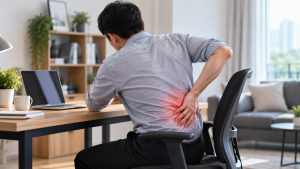
Why Does Lower Back Pain Keep Coming Back?
The lower back does not work alone. It relies on the hips, abdominal wall, pelvic floor, diaphragm, and small muscles close to the spine to share the load during sitting, lifting, and walking. After pain or a period of inactivity, some muscles may become less active while others work harder to compensate. You may also start bracing, avoiding certain movements, or relying on one side. These changes can remain even after the original pain has eased. For desk workers, prolonged sitting can add another layer. The hips may become stiff, the gluteal muscles may contribute less, and the upper body may gradually collapse forward. Stretching can feel good, but lasting change usually requires strength and movement practice as well.What the Reformer Actually Does
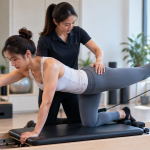
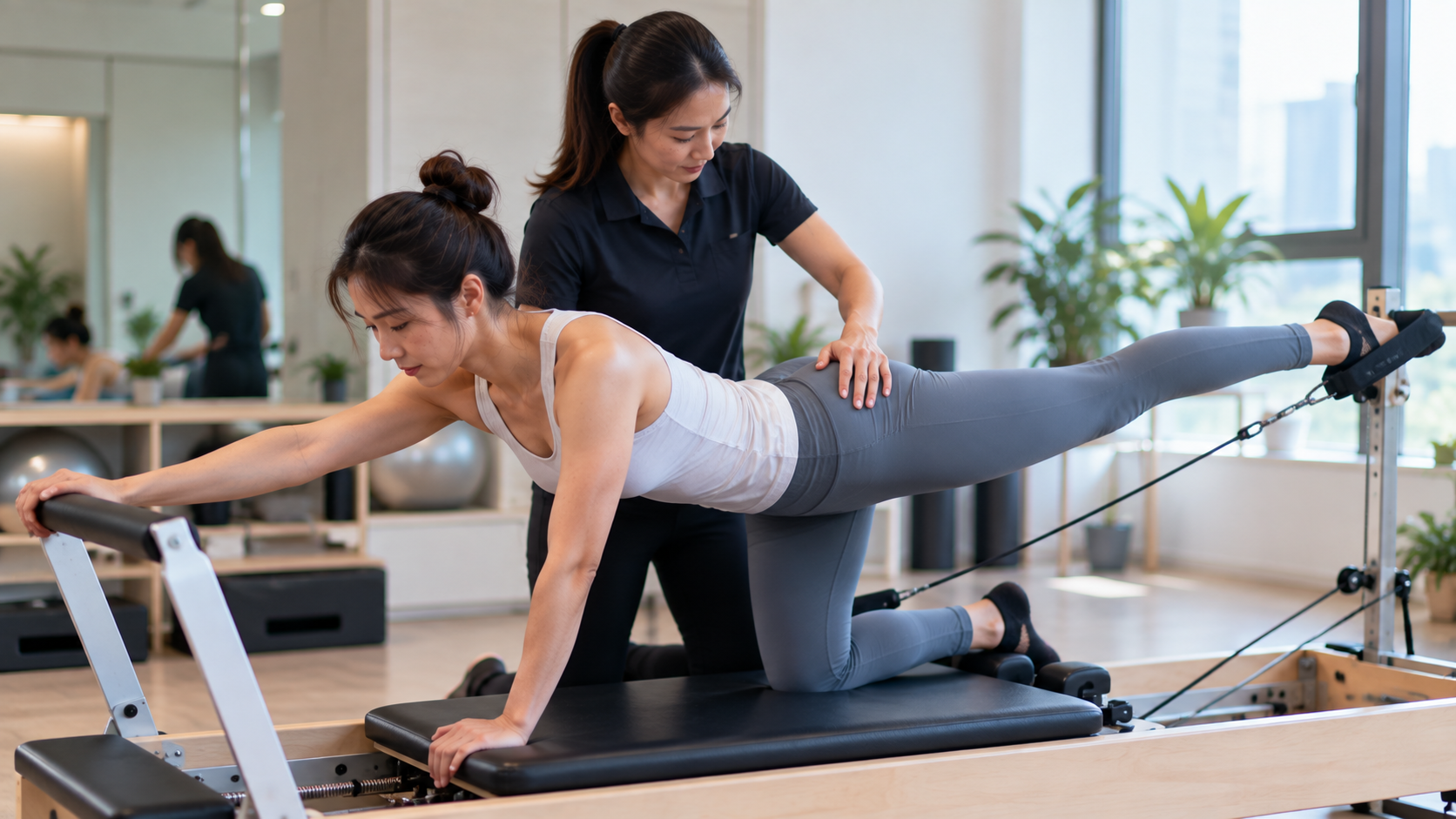
The reformer is a Pilates machine with a moving carriage, springs, straps, and a footbar. By changing the spring setting and body position, an exercise can be made more supportive or more challenging. This flexibility is useful in rehabilitation. Someone who is not ready for heavy upright exercise may begin lying down with controlled leg or arm movements. As their tolerance improves, the same principles can progress towards standing, squatting, pushing, pulling or rotating. The reformer also provides feedback. If the carriage moves unevenly or the body shifts to one side, both the practitioner and the patient can see and feel it. This can make it easier to retrain control rather than simply complete repetitions.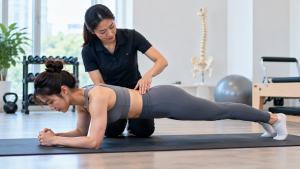
What Core Strength Actually Means Here
Core strength is often associated with sit-ups, crunches, or a visibly toned abdomen. For lower back pain, the more important goal is coordinated support around the spine. The core should respond as you breathe, reach, bend, and lift. It should not stay rigid all day. Clinical Pilates therefore focuses on timing, control and the ability to adjust tension to the task. A simple reformer exercise may look easy, but the aim could be to keep the pelvis steady, move evenly through both legs, or breathe without losing spinal control. These details are what turn general exercise into rehabilitation.How Reformer Pilates May Support Lower Back Pain
- Improves awareness of how the pelvis and spine move together.
- Builds strength through a controlled and adjustable range.
- Encourages the hips and gluteal muscles to share load with the lower back.
- Helps restore confidence after pain that made you feel unsafe.
- Allows exercises to progress towards work, sport and daily activities.
Who May Benefit?
Reformer-based rehabilitation may suit people with recurring or persistent lower back pain, reduced confidence after an injury, posture-related discomfort or weakness following a period of reduced activity. You do not need to be flexible or experienced in Pilates. A clinical programme should begin at your current ability and progress according to your response.When Reformer Pilates May Not Be the First Step
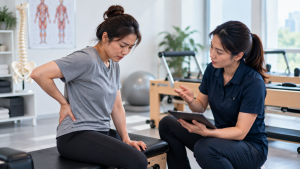
Not every episode of lower back pain should begin on a reformer. A medical or physiotherapy assessment is more appropriate first if you have new leg weakness, numbness around the groin, loss of bladder or bowel control, severe unexplained pain, fever, a recent major injury or recent surgery. Even without these warning signs, an assessment is useful when pain is new, severe, or changing. Once the acute problem is understood and settled, reformer Pilates may be introduced as part of the next stage of rehabilitation.