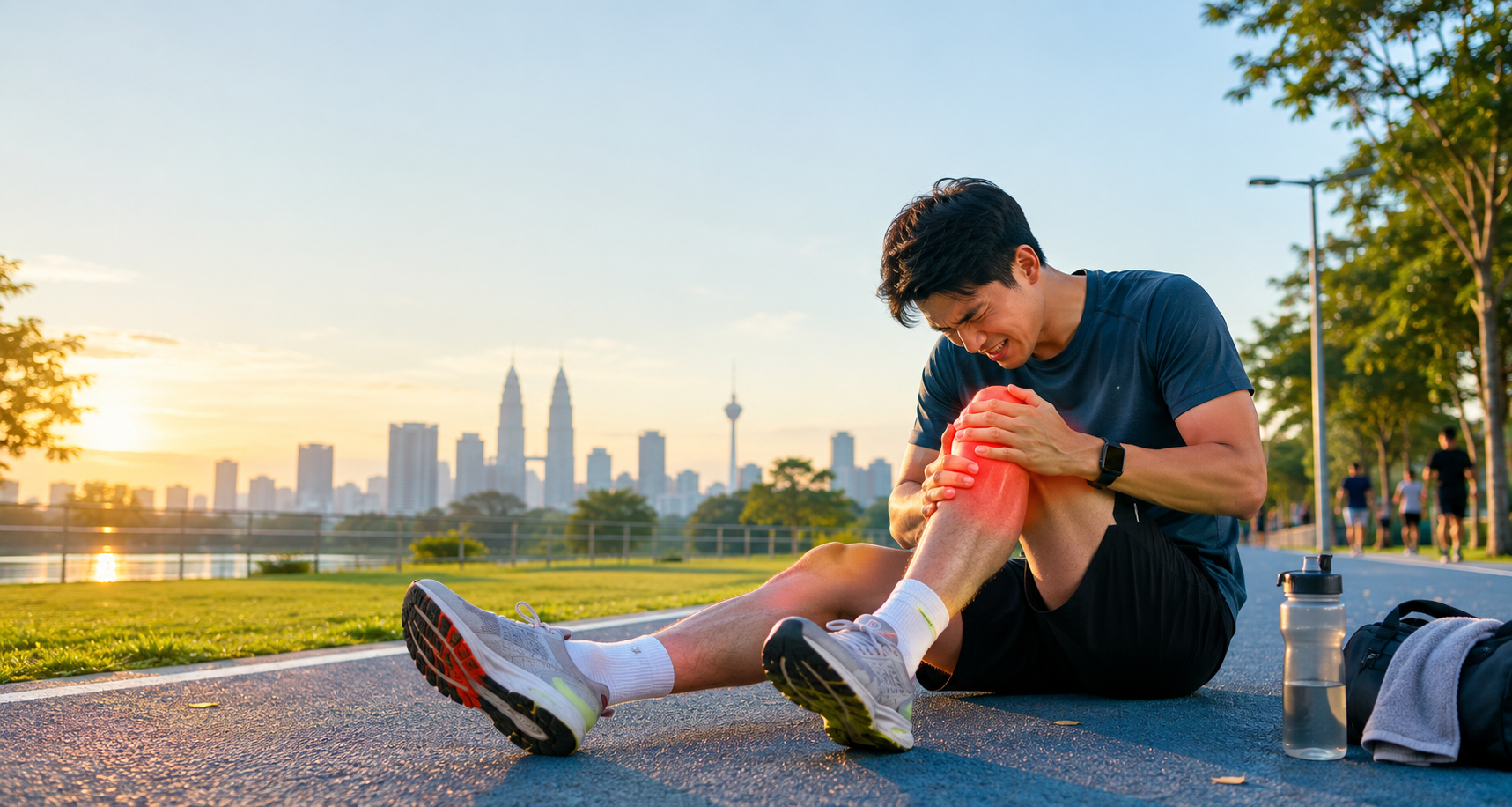
Common Sports Injuries in Malaysia: When Rest is Not Enough?
Key Takeaways
- The physiotherapy-centric approach is much safer in getting back into motion and recovering from the injury. Physiotherapy is all about ensuring that an individual recovers their mobility, balance, strength, and proper movements. The physiotherapy process in treating chronic pain may also bring out other factors that have led to injury.
- Diagnosis at the right time can help avoid movement problems in the future. Most sports injuries begin with pain that eventually causes movement and exercise problems. This means that early intervention during recovery is crucial.
- There has been an increase in the cases of sports injuries among Malaysian athletes. Among the most popular sports in Malaysia are football, badminton, working out in the gym, jogging, and futsal. Apart from being popular, the sports above have led to more and more recurring muscle sprains, joint pain, and overuse injuries seen in sports clinics.
- Rest alone is insufficient in treating chronic pain and movement issues. While some pain following exercise is normal, persistent chronic swelling, stiffness, weakness, and pain may be an indication of problems related to muscles, tendons, ligaments, or joints. To overlook such symptoms would only prolong the recovery process.
- Depending on the severity of the injury, the healing time will vary significantly. In case of minor sprains, healing takes just a couple of weeks. While on the other hand, healing for tendons, knees, and shoulders can take several months. The risk of re-injury is high if you return to training too soon.
Introduction
The fitness lifestyle of Malaysia continues to flourish with the use of gym memberships, football leagues, badminton activities, cycling groups and even marathons. According to the results of the NHMS 2019 survey, 74.9% of the Malaysian population adopts an active physical lifestyle.
Nevertheless, there is an increase in the number of patients suffering from overuse injuries and repetitive strains because of inadequate rehabilitation during their workouts.
The long hours of work, sedentary nature, poor sleeping patterns, and strenuous training in the evenings have resulted in recurrent pains in many physically active people in Malaysia.
Though some people will get better in the next few days after having enough rest, some others will suffer pain or swelling, muscle weakness, stiffness, or movement problems. This is also why sports injuries have been an important and widely discussed issue in Malaysia for those who desire to stay healthy and not yet have a movement disorder.
Whether it’s marathon athletes or office workers who develop back pains because of their training routines, recovery becomes as important as the exercise itself.
This blog explores how common sports injuries in Malaysia among athletes often require more than just rest, highlighting the importance of proper diagnosis, rehabilitation, and timely intervention for lasting recovery.
Why More Active Malaysians Are Experiencing Injuries?
Recreational sports, classes and runs have begun to grow in the number of people participating from different ages and groups.
Soccer, badminton, futsal, gym and cycling are still among the popular exercise activities for residents of metropolis cities like Kuala Lumpur, Johor Bahru, Penang and Petaling Jaya.
Below are a few of the reasons in terms of lifestyle factors:
- Long office hours before exercise
- Limited recovery time between workouts
- Sudden increases in training intensity
- Poor mobility and flexibility
- Inconsistent sleep and hydration
- Returning to sports too quickly after pain
Many injuries begin gradually rather than through one major accident.
A runner could start to feel a slight pain in his knees after running long distances. A badminton player could start to feel shoulder pain while making an overhead shot. Individuals at the gym could start to experience lower back pain after weightlifting sessions.
Eventually, these minor pains might turn into serious injuries for athletes in Malaysia if the movement and recovery methods are not corrected. This is the reason why it is necessary to distinguish between pain and injury.
When Muscle Soreness May Signal Something More Serious?
Muscle pain following physical exercise or training is one of the most common phenomena, particularly after intensive physical activities. However, the problem comes into play when the pain remains even after the prescribed period. In this paper, we shall explore the causes of such muscle pains following physical training.
Some warning signs include:
- Swelling around joints or muscles
- Pain during movement
- Reduced range of motion
- Weakness while walking or lifting
- Joint instability
- Sharp pain during exercise
- Numbness or tingling sensations
Such signs can be indicative of underlying issues with strain of tissues, tendonitis, ligament damage, or joint issues.
Most active people continue exercising even when they have pain because their pain usually gets better whenever they are resting. Unfortunately, this makes it difficult for them to recover and puts more strain on nearby muscles and joints.
For example:
- Runners may continue jogging despite recurring knee pain
- Football players may ignore repeated ankle instability
- Weightlifters may continue training despite lower back discomfort
- Badminton players may push through shoulder strain
In many situations, the pain reduces temporarily but returns once training intensity increases again. Before discussing recovery approaches, it helps to look at the injuries commonly seen among active Malaysians.
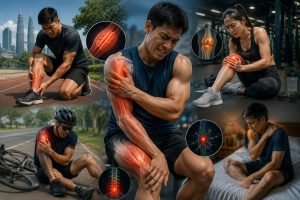
Common Sports Injuries in Malaysia
Different areas of the body are subjected to stress depending on the type of sport. Examples of sports causing chronic injuries in Malaysia that are addressed at rehabilitation centres include football, badminton, futsal, gym, and running.
- Ankle Sprain: An ankle sprain injury can happen to football players and futsal players in sudden changes of direction and in landing. A minor sprain of the ankle joint takes weeks for recovery, while a major one will take more time because of injuries to ligaments.
- Runner’s Knee: The pain caused by the runner’s knee injury is felt near the kneecap while going up or down the stairs, jogging, or even while sitting.
- Rotator Cuff Injury: Badminton players and swimmers have shoulder pain due to overhead movements. The condition manifests when one lifts something, reaches behind him/her, or makes repeated arm movements.
- Tennis Elbow: Contrary to the general opinion, tennis elbow does not affect just tennis players. It can happen to anybody who repeatedly performs gripping actions during their workouts in the gym, office work, or lifting objects.
- Hamstring and Calf Strain: Athletes playing football and running have a high possibility of straining their muscles because of sudden speed changes.
- Back Pain: Sitting for too long at the desk before engaging in exercise routines and poor core muscle strength can result in back pain.
The onset of sports-related injuries among athletes in Malaysia usually begins with some minor pain that then impacts movement and activities. The rehabilitation period can also be unpredictable.
How Long Does Sports Injury Recovery Usually Take?
One of the biggest misconceptions around injuries is assuming every injury heals at the same pace.
Several factors influence sports injury recovery:
- Severity of the injury
- Previous injury history
- Age and fitness level
- Sleep and nutrition habits
- Rehabilitation consistency
- Returning to activity too early
Below is a general comparison of common recovery timelines:
| Injury Type |
Mild Recovery Timeline |
Moderate to Severe Recovery Timeline |
| Ankle sprain |
2–4 weeks |
8–12 weeks |
| Hamstring strain |
1–3 weeks |
6–10 weeks |
| Runner’s knee |
4–6 weeks |
Several months |
| Shoulder strain |
2–6 weeks |
3–6 months |
| Tennis elbow |
6–8 weeks |
Several months |
| Lower back strain |
1–4 weeks |
2–6 months |
Some people resume sports once the pain temporarily decreases. However, incomplete recovery often increases the chance of recurring injuries later.
This is one reason physiotherapy support has become increasingly important among active adults in Malaysia.
Why is Rest Alone Sometimes Not Enough?
Many people searching online for “sport physiotherapy near me” usually do so after pain repeatedly returns despite taking breaks from activity. Rest helps reduce immediate strain, but it does not always address the root cause of the problem.
A structured physiotherapy treatment plan may focus on:
- Mobility exercises
- Muscle strengthening
- Stretching routines
- Posture correction
- Balance training
- Movement retraining
- Gradual return-to-sport programmes
Rather than focusing only on pain relief, physiotherapists often assess movement patterns that may contribute to recurring injuries.
For example:
- Knee pain may be linked to weak hip muscles
- Shoulder strain may relate to posture problems
- Repeated ankle sprains may stem from poor balance
- Lower back pain may result from limited mobility and weak core muscles
This broader rehabilitation approach supports safer sports injury recovery while helping people regain movement confidence gradually. Alongside treatment itself, daily recovery habits also affect healing.
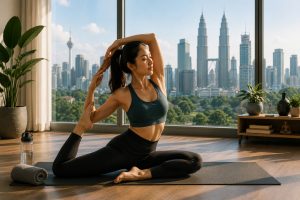
Recovery Habits That Support Better Movement
Recovery is not limited to clinic sessions alone. Daily routines also influence healing quality and injury prevention.
Some of the practices that may help in preventing physical stress during the recovery period include:
- Sleeping well
- Warming up before exercising
- Gradual increase in training intensity
- Staying hydrated while exercising
- Alternating between high-impact exercises and low-impact exercises
- Being aware of pain indicators
Fatigue and dehydration during outdoor activities may also be caused by the humid weather of Malaysia. For most people, changes in their lifestyles become part of the sports injury recovery process and not just temporary fixes.
Conclusion
Being physically active is good for one’s health, yet ignoring persistent pains is not the right thing to do. In most cases, sports injuries in Malaysia happen progressively because of overtraining, repetitive strain, inadequate recovery techniques, or improper technique. This problem can potentially turn into something more serious, impacting the patient’s ability to move.
Rehabilitation exercises will assist in lowering the level of stress experienced by the individual’s body when doing physical activities. It should be noted that physiotherapy is not always about taking away the pain in many cases; instead, it is about building the strength, flexibility, and even the ability to move an individual.
Baseline Health helps active Malaysians with customised care plans focused on pain relief, movement recovery, posture fine‑tuning, and long‑term physical wellness.
Based in Petaling Jaya, our joined‑up team, chiropractic care, physiotherapy, occupational therapy, Pilates, scoliosis support, and personal training, works together so things feel smooth. Pricing starts from RM150 per session, helping people bounce back from repeat sports injuries and movement limitations so they can step into daily life and training.
If it’s an ankle sprain, runner’s knee, back pain, or shoulder strain, Baseline Health leans into gradual recovery, rebuilding strength, and better movement habits. The idea is comfort first, then mobility, then real physical progress that sticks.
Contact us, visit the clinic at Plaza @ Kelana Jaya Boulevard, email
enquiries@baselinehealthgroup.com or call +6017‑847‑4833 to start your recovery built around ease, range of motion, and durable body improvements.
FAQs
- In what particular circumstances do people search ‘physiotherapy near me’ post sports injuries?
People often search for physiotherapy mostly because their pain has not yet healed from an injury, and they realise this when they participate in a sport and their pain starts to interfere with all their movements.
- Can treatments which use physiotherapy help prevent further recurrent sports injuries?
Yes. Physiotherapy treatments are potentially able to assist in strength, flexibility, posture and movement so that sports injuries do not occur repeatedly.
- What would be some of the most frequent sports injuries in Malaysia?
Some of the most common sports injuries include ankle sprain, runner’s knee, shoulder strain, hamstring strain, tennis elbow, and lower back pain.
- How do I identify that rest is not adequate to treat my injury?
In cases where you continue experiencing pain, swelling, stiffness, or weakness despite resting from activities, the injury requires more attention than just resting.
- How long will it take to fully recover from the sports injuries?
A mild injury can take weeks to heal completely. On the other hand, severe cases that involve tendons, ligaments, or joints might take months to heal.