
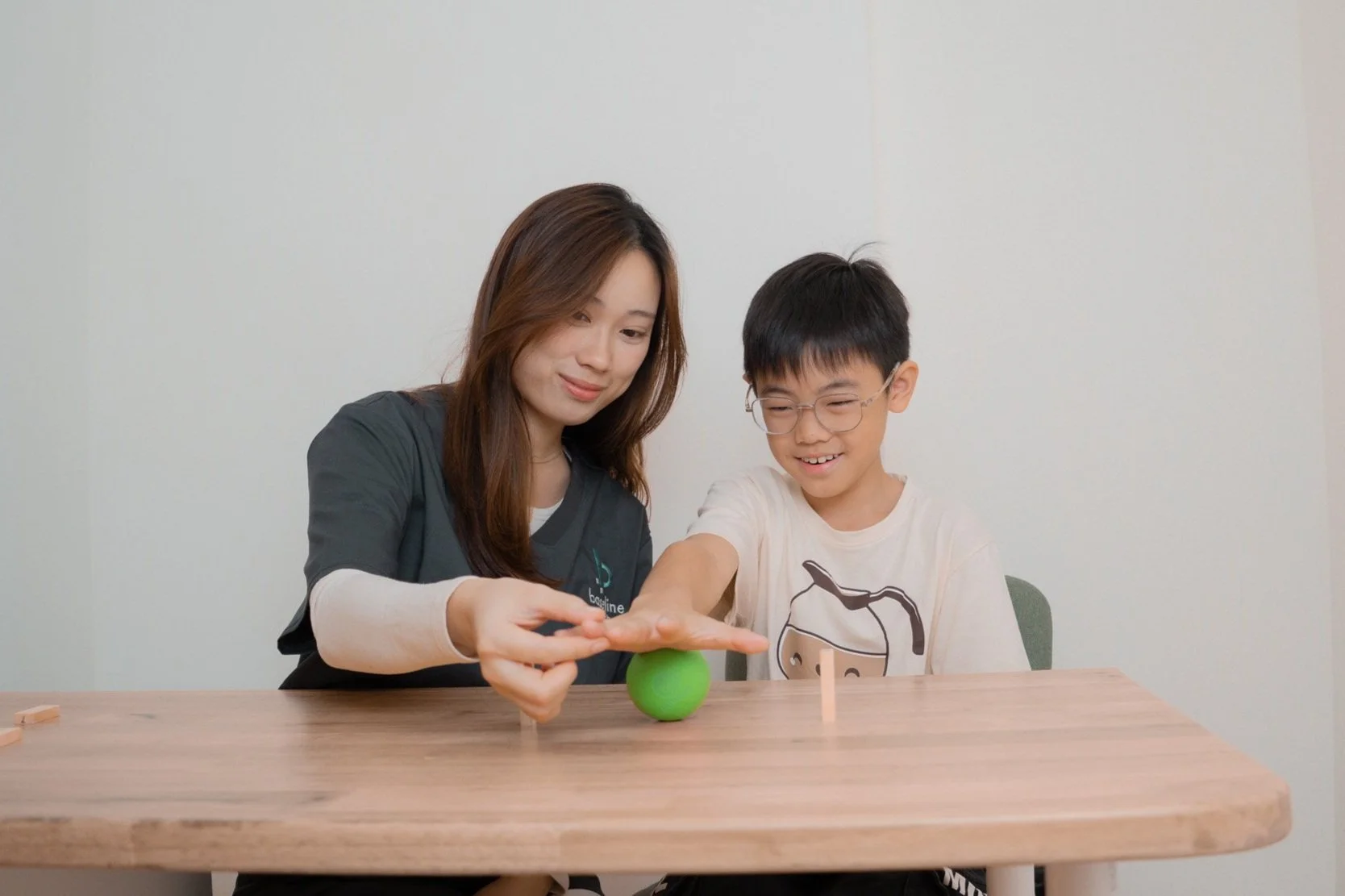
Occupational Therapy
Restore mobility, reduce pain, and improve function
What Is Occupational Therapy?
Occupational Therapy helps people do the everyday activities that matter in their lives. These may be sensory, motor, mobility or developmental challenges.
The word “occupation” does not just mean your job. It includes all the things you need or want to do, such as:
• Getting dressed
• Writing or using a keyboard
• Driving
• Cooking
• Playing with your kids
• Returning to work after a stroke
• Or even learning how to focus in school if you have ADHD
What Occupational Therapy Helps with
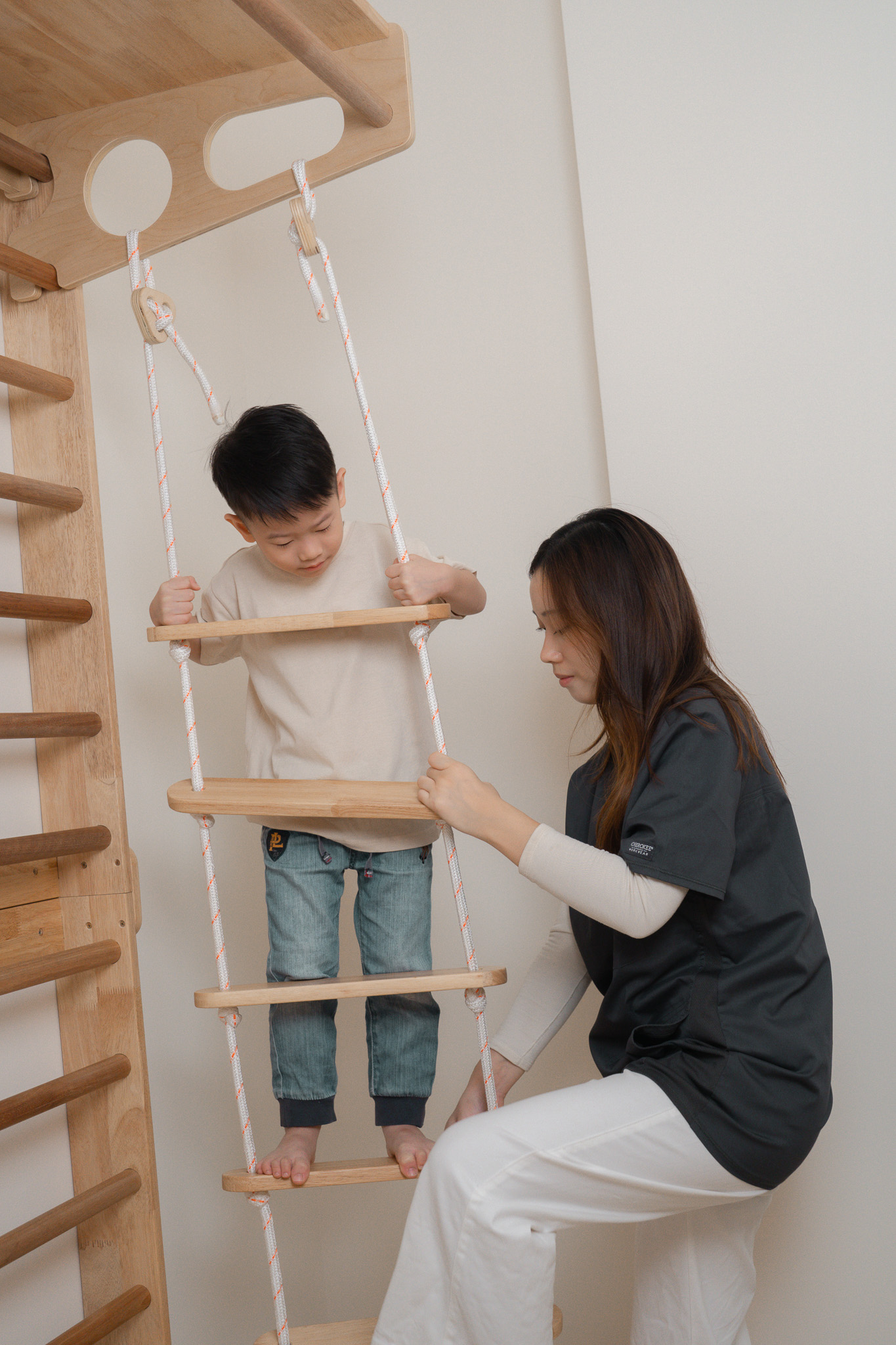
- Repair affected skills like physical strength or emotional balance through targeted therapy.
- Identify smart workarounds for daily tasks, such as using grip aids or simplified guides.
- Adapt your environment by adjusting your home or workspace to better fit your needs.
Restoring your personal toolbox
Think of your motor control as a tool in a kit, just like coordination or physical strength. When these stop working properly because of illness, stress, or a disability, we don’t just hand you a new set. Our role is to help you repair what is broken and adapt your surroundings so you can navigate daily life with confidence again.
Who Can Benefit from Occupational Therapy

Stroke Survivors

Child with Autism

Accident Victims

Individuals Recovering From Injuries
Occupational Therapy is the bridge between physical recovery and meaningful function. With a physiotherapist, you might relearn strength or movement, and with an Occupational Therapist, you learn how to use those skills again in your day-to-day routines or return to your job.
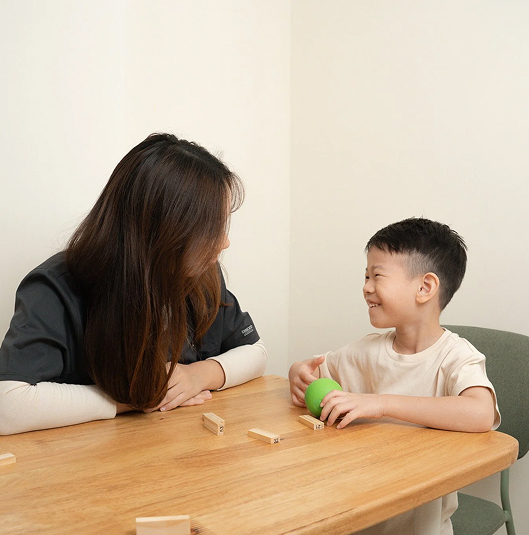
Collaborative Care
Occupational therapists often work alongside:
- Physiotherapists, who focus on rebuilding strength and movement
- Speech therapists, who support communication and swallowing
- Psychologists, who support mental health

